

Sci-Fi Stories - #9 The Catfish
Signal #9 “’Good’ does not look equal to all.” Writer: Damien Lutz


Bhagwan pulled the one slippery catfish he’d caught from amongst the plastic in his net and placed it into his container. This would have to do for his family’s dinner. He longed for the taste of the Bombil and Pomfret his father had caught in abundance when Bhagwan was a boy.
As he headed home, Bhagwan was forced away from the shoreline by a fence enclosing a massive area of coastal mangrove forest marked for the expansion of Navīna Padārtha, a cutting-edge fish cloning company that promised to revolutionise the sustainable seafood industry.
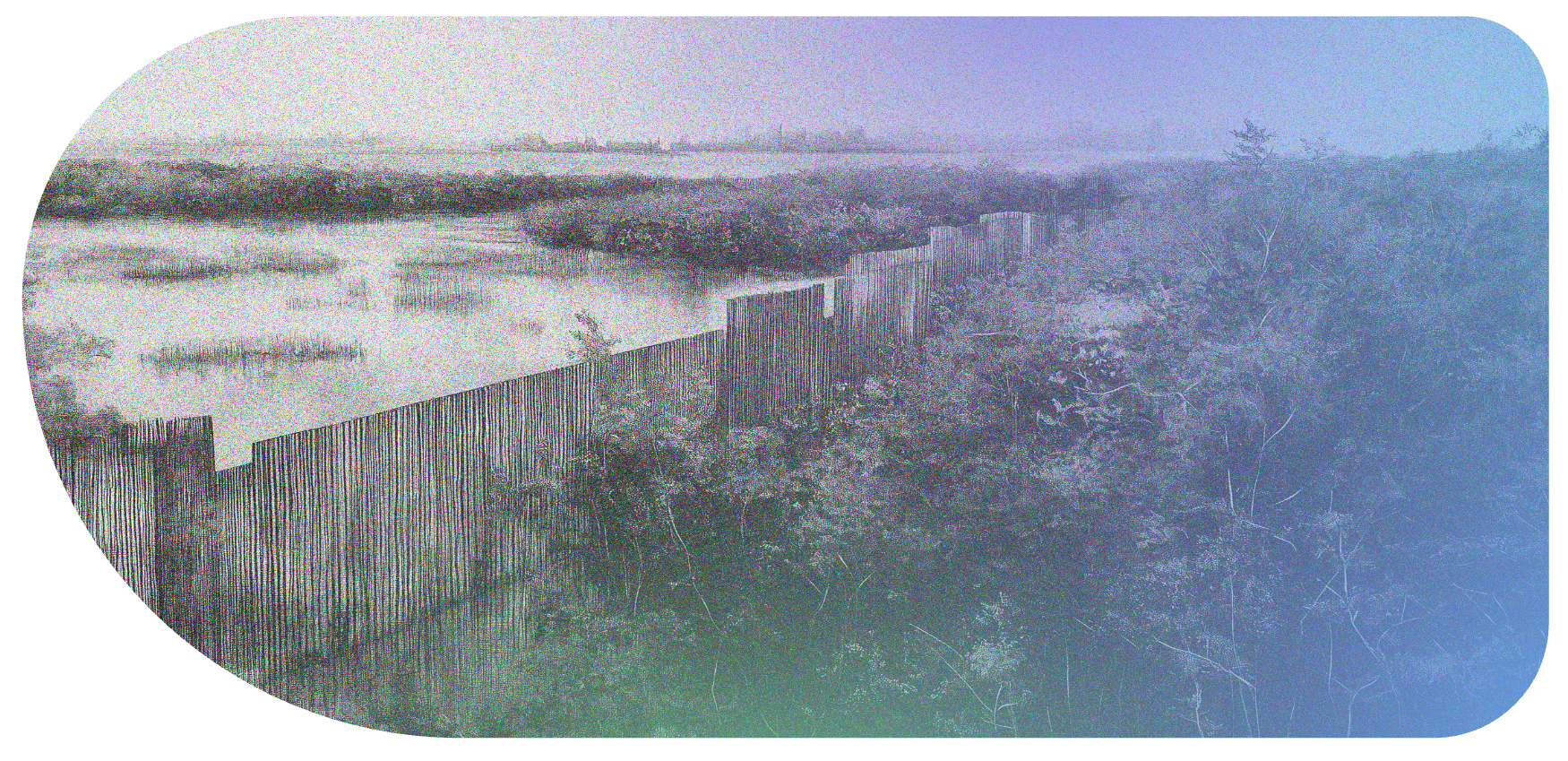
(Shoreline View)
Anger swirled inside Bhagwan.
Although Navīna Padārtha had given him a job to supplement his dwindling fishing income, he had been left little choice as the factory’s presence impacted the mangrove forests and the coast’s biodiversity.
As part of the original inhabitants of the many fishing villages along the coast, Bhagwan had once totally relied on the mangrove ecosystems for his food and income. Overfishing, warming sea temperatures, coastal erosion, and poor waste management had pushed the mangrove forests to a critical state, reducing fish stocks and deteriorating other aquatic species that were vital to maintaining the marine ecosystem, ultimately affecting all the coastal fishing communities, from the fishermen to the women processing and selling the fish.
As protectors of the coast and its biodiversity, the disappearance of the mangroves meant worsening extreme weather events would inflict even further damage upon the coastline that would not only affect the local fishing communities, but also the newcomers developing and inhabiting the wider region.
When Kumar Chandekar, the CEO and Founder of Navīna Padārtha, first proposed its expansion, Bhagwan joined the Mangrove Agency to protect the mangroves by arguing that while fish cloning solutions could help with food security, they could not sufficiently reduce biodiversity loss because cloned animals were mandated to be sterile. Like all new technologies, fish cloning’s true potential to help humanity would be lost in big business’s rush to commercialise it as fast and as wide as possible, and it would most likely profit corporations rather than small businesses and fishing communities.
After some initial success at raising awareness, Bhagwan’s and the Agency’s efforts were neutralised by the city’s excitement about becoming leaders in the cloned seafood industry, and Navīna Padārtha’s expansion was approved.
This filled Bhagwan with a burning resentment for the local government, and for the wider community who were so quick to ignore the needs of the coastal ecosystem and the original fishing communities.
What Navīna Padārtha did promise the local fishing communities was jobs and income.
In the end, Bhagwan did what he had to do to survive—he reluctantly took a job at Navīna Padārtha.
But his choice slowly ate him from the inside, the knowledge that he was now part of the destruction of the sacred mangroves eroded something in his own soul that once thrived. His resentment and anger consumed him night and day, slowly distorting his sense of right and wrong.
As he left behind the fenced mangroves, he passed the entrance to Navīna Padārtha’s main factory.
“Hurry up Bhagwan,” called Kumar Chandekar from inside the gate. He was personally supervising two workers stabilising a large sign announcing the launch of Navīna Padārtha’s latest product: Bombay Bombil, a lab-grown version of the disappearing Bombay Duck, a favourited Mumbai fish delicacy. “Today is a special day for Navīna Padārtha!”
“Coming, sir,” replied Bhagwan calmly, and smiling to himself.
Today would indeed be a day Navīna Padārtha and the city would remember.
He headed home, put the catfish in the fridge, then showered and dressed in a waiter uniform before returning to the factory, his head clear with a piercingly focused anger.
As the launch began, crowds gathered and the factory entrance buzzed with excitement, banners draped across buildings proclaiming, “The Bombil returns!” A stage stood in the centre of the factory forecourt with a green ocean-themed curtain draped closed behind it.
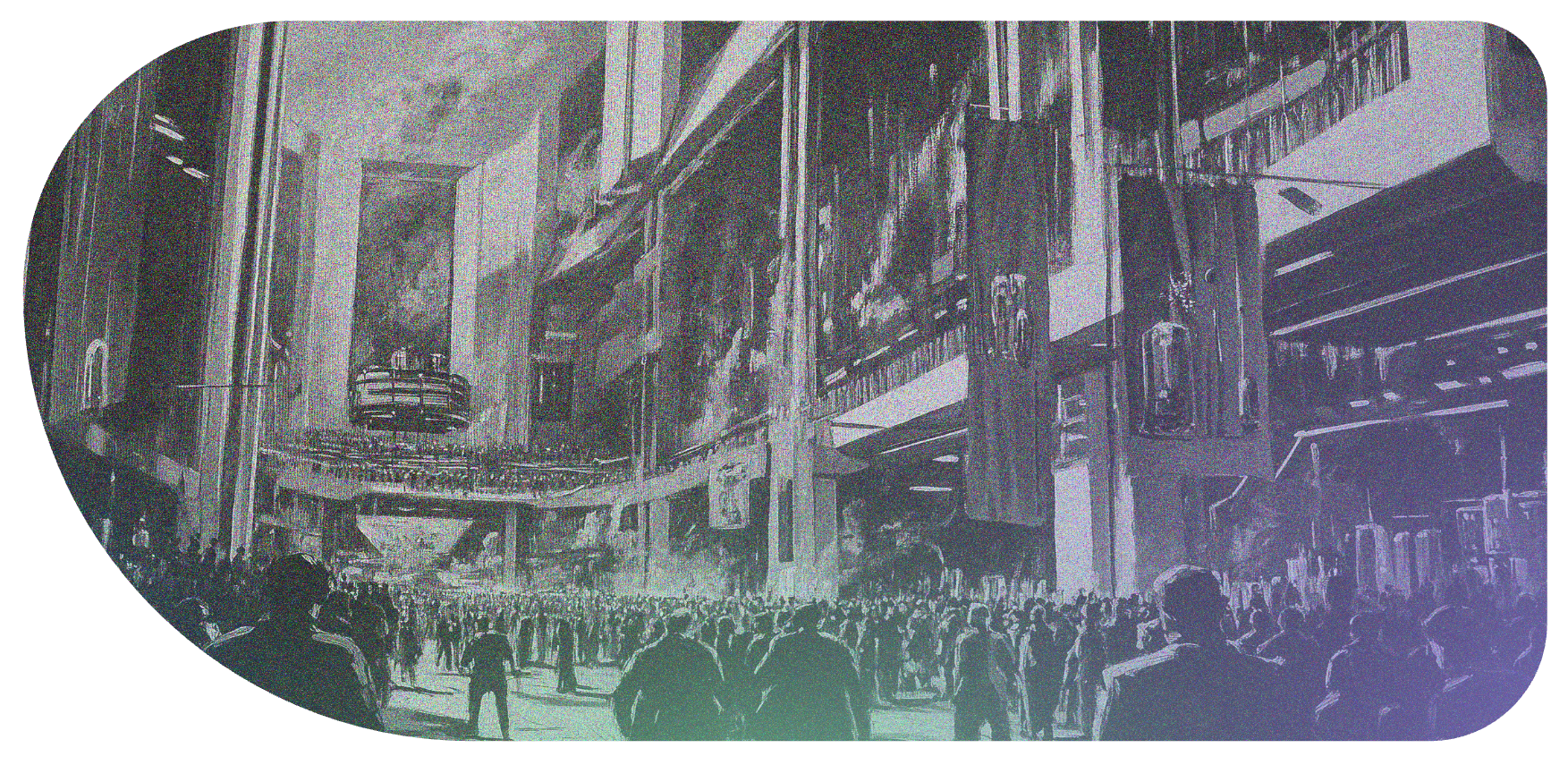
(Factory Entrance)
Chandekar greeted the citizens, the media, and his colleagues with great pomp as he made his way to the stage to stand in front of the curtain.
“Welcome, welcome, everyone,” Chandekar began. “Thank you for joining us today. Navīna Padārtha represents the culmination of years of research and our commitment to seafood sustainability and security. And today, we’re here to celebrate the return of a lost delicacy, thanks to the latest developments in our cloned seafood line, and, more importantly, how we can do our part in stabilising food and income security for all. Ladies and gentlemen, I give you Bombay Bombil!”
Music burst into play as the ocean-themed curtain opened and waiters walked out and down into the crowd with trays of the new product. Bhagwan walked amongst them, his heart pounding as he encouraged guests to take several pieces from his tray to enjoy.
After a brief applause from the growing crowd, Chandekar continued.
“As you know, the Bombil—also well-known by its misname Bombay Duck—has rapidly disappeared from our waters. Its special pungent aroma is either loved or hated, but it cannot be denied that it is a culinary experience we have all missed. But we need to miss it no longer! The Bombay Bombil is a close-to-natural engineering of the wild Bombil, with the taste, texture, and aroma indistinguishable from the original.”
He watched nervously as the first bites were taken. Faces in the crowd lit up with delight.
A reporter in her mid-forties, raised her hand. “Mr Chandekar, we are all excited about the social benefits of cloned fish, but how can we be sure it’s safe?”
Chandekar smiled reassuringly. “Madam, I understand your concerns. At Navīna Padārtha, we prioritise safety above all else. Every product undergoes rigorous testing. And I have personally overseen the meticulous testing and retesting of the Bombay Bombil, ensuring its safety and nutritional value.”
After a brief question and answer time, Chandekar left the stage and mingled with the attendees, engaging in lively discussions, and encouraging all to try the free samples. The consensus was the Bombay Bombil was a complete success, the taste impeccable and indistinguishable from the wild-caught fish.
Chandekar’s heart swelled with pride and the unwavering belief that he had created something truly good for the world.
But as the crowd enjoyed the event, some attendees began to fall ill, and quickly developed severe gastrointestinal distress and allergic reactions. A freezing cold wave of fear and despair washed over Chandekar. Panic spread like wildfire as ambulances were called and a few attendees were hospitalised.
By the end of the day, the media, once poised to praise, had turned vicious:
“Navīna Padārtha’s Clone Disaster!”
“Lives Endangered by the Bombay Bombil”
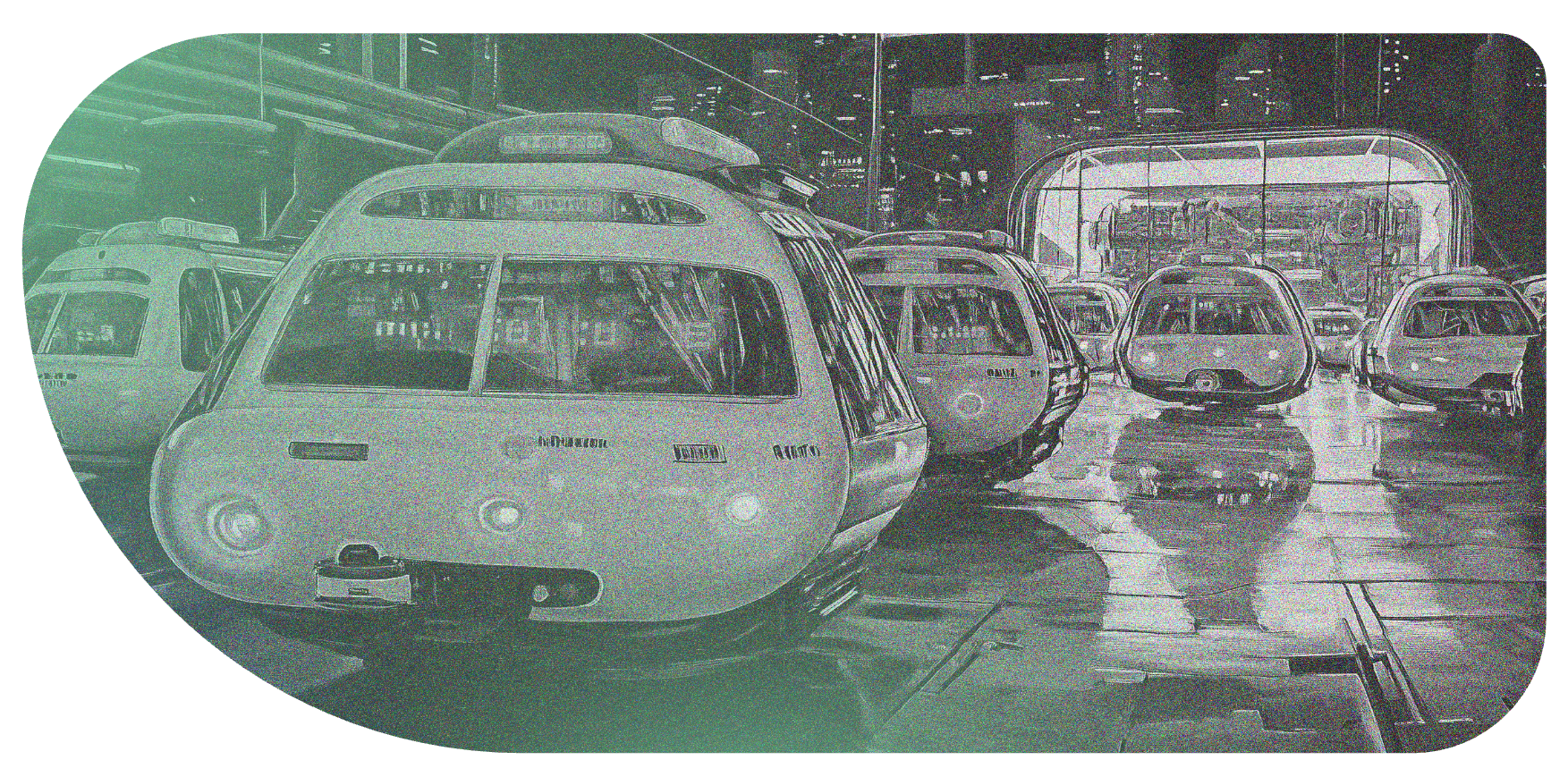
(Ambulances Arriving)
Chaos reigned at Navīna Padārtha’s headquarters. Chandekar’s phone buzzed incessantly with calls and messages, demanding answers he didn’t have. Devastated, he demanded the same answers from his scientists and executives who scrambled to contain the fallout. He poured over data himself, searching for the cause of the contamination. His mind replayed every step of the production process, every safety check, and every assurance his plan had promised.
Within an hour, the safety team had an answer—the batch of Bombay Bombil served at the event had been deliberately contaminated with a harmful compound just before being served.
Chandekar fumed at his team’s incompetence, and at the betrayal.
The next day, the streets echoed with protests and demands for accountability. The city’s faith in fish cloning had been shattered, replaced by a deep scepticism and fear. Navīna Padārtha’s reputation crumbled overnight. Lawsuits piled up; investors fled. Chandekar resigned in disgrace, and Navīna Padārtha’s future disintegrated before his eyes. The investigation into who poisoned the food lead nowhere, and the media seemed happy to hold Chandekar fully responsible.
Chandekar retreated into obscurity, his dream of creating a sustainable seafood industry through cloning laying in ruins, buried under the haunting weight of the faces of those he had unknowingly harmed.
Within weeks, the fence around the mangrove forest for the factory’s expansion was pulled down.
As Bhagwan strolled passed the freed forest toward his boat at the jetty, he felt no sadness for the loss of his job at Navīna Padārtha.
He did feel sharp regret for the people he’d hurt from poisoning the Bombay Bombil. Though no lives were lost, he knew he would have to live with the guilt of his dangerous actions for the rest of life.
But as he passed the mangroves now freed from their cage, he saw in his mind their forests flourishing again, restabilising the aquatic ecosystems, welcoming back many species, and allowing traditional local fishing and markets to resurge.
The wind rustling through the mangroves sounded like a ‘Thank you’ to Bhagwan, and he looked forward to the day he’d catch more than just a catfish.
Sci-Fi Stories is a collection of sci-fi texts by Damien Lutz based on prompts from real-life research. Each text contains serious clues regarding future food innovations that represent research paths taken by the Transformative Times team. Current research focuses on how to accelerate the adoption of new food habits.
About us
Transformative Times is a research platform for different companies and organizations to work together towards new futures. Find more about what we are doing by reaching out to us or following us on LinkedIn and Instagram.
https://transformative-times.com/
 | A guest post by
|